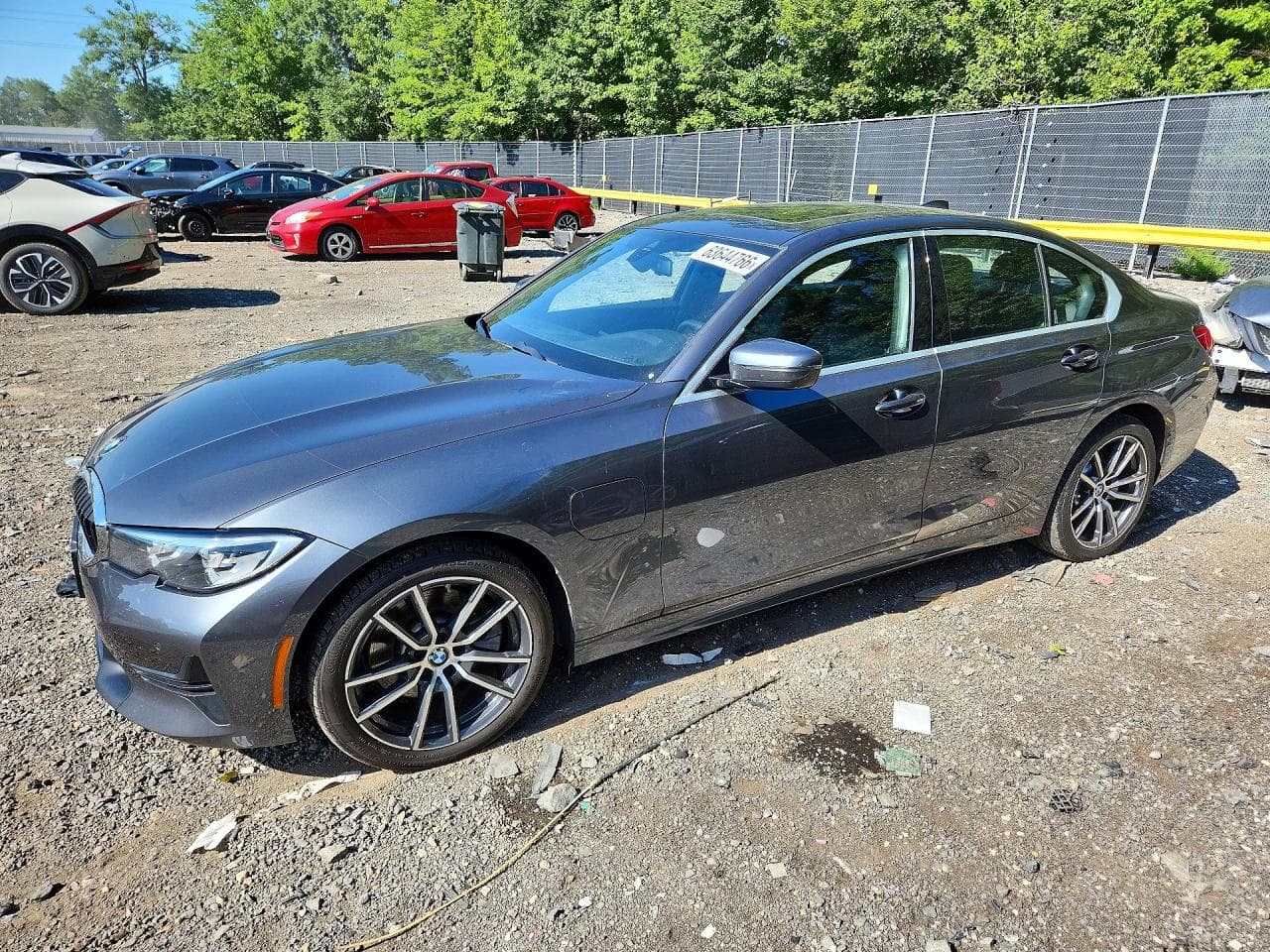
Previously sold at auction
See earlier sales of the same car before you bid.
Paste one upcoming US salvage auction lot. We compare it with recent sales of the same model with similar year, mileage, damage and run condition.
Same model, close in year and mileage, with the same damage and run condition.
The estimate is the middle price of those sales.
Range widths come from how far estimates were off on thousands of past cars.
A real example, checked against what the car went on to sell for.
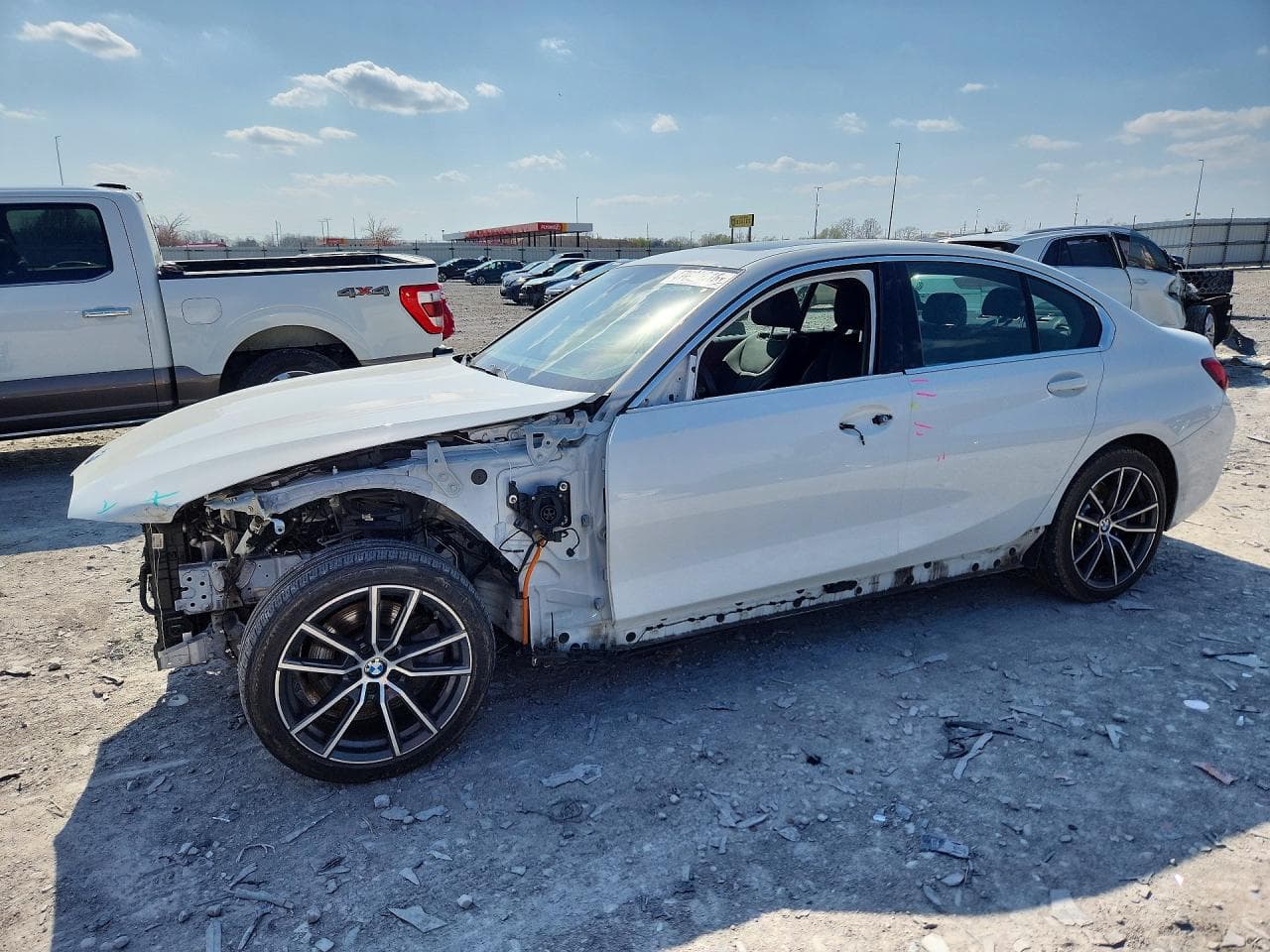
Copart lot 47627016 · sold 23 Sep 2026
Sold for $10,000, inside the likely range$11,100
Estimated auction result, based on 130 similar sales.
Everything the estimate page shows beyond the price.
See earlier sales of the same car before you bid.
Spot earlier runs that ended without a sale, and their high bid.
Open the sales behind the estimate, with prices and VINs.
Add buyer fees, towing, shipping, duty and VAT to your bid, for five ports.
Can’t find your answer? Contact us.
We tested it on past sales. About half of cars sold inside the likely range, and about 8 in 10 inside the wide range. Use the estimate as a fair price and the top of the likely range as a maximum bid that keeps you from overpaying.
A lot link from a US salvage auction, a lot number, or a 17-character VIN.
A recent sale of the same model, close in year and mileage, with similar damage and run condition. The estimate page lists every one of them, so you can check them yourself.
No. The estimate is the auction result. The total cost adds buyer fees, towing, shipping to one of five European ports, duty and VAT, and you can change the bid to see a new total.
A free account gets 3 estimates a day, with no card needed. Dealer accounts use credits instead of daily limits.